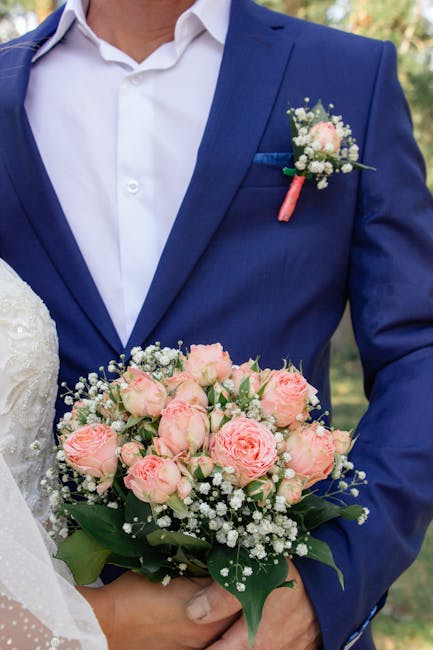
Pinner wedding flowers guide for Harrow couples
Posted on 19/10/2026
Pinner Wedding Flowers Guide for Harrow Couples
Planning wedding flowers can feel wonderfully exciting and mildly overwhelming at the same time. One minute you are dreaming about a bouquet that suits your dress perfectly; the next, you are trying to match centrepieces, buttonholes, delivery timings, and a budget that still leaves room for the honeymoon. This Pinner wedding flowers guide for Harrow couples is here to make the process calmer, clearer, and far more practical.
Whether you are getting married near Pinner, hosting your reception in Harrow, or simply want flowers that look elegant without becoming a logistical headache, the right approach makes all the difference. The good news? A thoughtful floral plan can tie your whole day together, and it does not need to be overcomplicated. In fact, the best wedding flower choices are often the ones that feel natural, suit the venue, and hold up beautifully from the first photo to the last dance.
For couples who want a fuller starting point, it also helps to look at wedding flowers in Harrow alongside the wider local service options offered by a trusted Harrow florist. If you are still comparing suppliers, that wider view can save you from making rushed decisions later. And let's face it, wedding planning already gives you enough to think about.
Table of Contents
- Why Pinner Wedding Flowers Guide for Harrow Couples Matters
- How Pinner Wedding Flowers Guide for Harrow Couples Works
- Key Benefits and Practical Advantages
- Who This Is For and When It Makes Sense
- Step-by-Step Guidance
- Expert Tips for Better Results
- Common Mistakes to Avoid
- Tools, Resources and Recommendations
- Law, Compliance, Standards, or Best Practice
- Options, Methods, or Comparison Table
- Case Study or Real-World Example
- Practical Checklist
- Conclusion
- Frequently Asked Questions
Why Pinner Wedding Flowers Guide for Harrow Couples Matters
Wedding flowers do much more than decorate a room. They shape the mood of the day, influence the photographs, and help the whole event feel cohesive rather than pieced together. For Harrow couples, especially those planning around Pinner, flowers also need to work across real-world constraints: venue access, travel time, parking, delivery windows, church schedules, and the classic British uncertainty of what the weather may do by 2pm.
A guide like this matters because most couples do not just need inspiration. They need decisions. What bouquet size suits a smaller frame? Which flowers feel timeless rather than trendy? How do you make sure the arrangements look polished in a church, a registry office, or a hotel ballroom? Those are the details that change the feel of the day, and they are exactly where a local, practical approach helps.
There is also a cost angle. Wedding flowers can quietly become one of the bigger visual investments in a wedding. A clear plan helps you avoid spending heavily in the wrong places. For example, you may decide to focus on the bridal bouquet, ceremony flowers, and a few strong reception pieces, then keep bridesmaid flowers simpler. That often looks more luxurious than trying to spread a budget thinly across too many tiny extras.
Expert takeaway: the best wedding flower plan is not the biggest one. It is the one that suits your venue, your timeline, your colour palette, and the way you want the day to feel in photographs and in person.
For couples who want a broader idea of styles and combinations, browsing the dedicated wedding collection and the wider bridal bouquet range can make the choices much easier. You start to notice what feels right. Sometimes quite quickly, actually.
How Pinner Wedding Flowers Guide for Harrow Couples Works
At its simplest, wedding flower planning is a conversation between your venue, your colour scheme, your budget, and the season. The best results usually come from matching those four things before you start falling in love with individual stems. That sounds obvious, but in practice people often start with a flower they like and only later realise it does not suit the scale of the ceremony or the time of year.
Here is the usual flow. First, you define the style of wedding: classic, modern, romantic, rustic, bold, or something softer and more understated. Then you decide which floral pieces matter most. For most couples, that means the bridal bouquet, bridesmaid bouquets, buttonholes, ceremony arrangements, and table flowers. After that, you narrow down colour palette, seasonal flower choices, and the size of each design.
In a Harrow and Pinner context, logistics matter as much as design. The florist needs to know whether flowers are going to a home address, a venue, a church, or multiple stops. That affects timing, transport, and whether pieces need to be installed on site. If you have ever seen a beautiful bouquet arrive half an hour too early and wilt in a hot car, you will understand why this part matters.
It also helps to understand the difference between the various wedding items on offer. A bridal bouquet is the main hand-held arrangement. Bridesmaid bouquets are usually smaller and lighter. Buttonholes are for the groom and other key guests. Table arrangements tend to be lower and more stable so guests can talk across them. These are all small choices, but they add up to a polished whole.
When couples want to compare structure and style, the range of bridesmaid bouquets, wedding buttonholes, and table arrangements is a useful starting point. You can see how a design language carries across the day without everything looking identical. And that balance is often what makes a wedding feel elegant rather than overdone.
Key Benefits and Practical Advantages
Good wedding flowers are not just pretty. They solve problems. They anchor the look of the day, make photography easier, and create a sense of continuity from the ceremony to the reception. For Harrow couples planning around Pinner, the practical advantages are especially noticeable when the flower plan has been designed to suit the venue rather than just copied from a mood board.
- Better visual flow: the bouquet, ceremony flowers, and table pieces all speak the same visual language.
- Less stress on the day: clear delivery and setup plans reduce last-minute scrambling.
- Stronger photos: flowers help add colour, texture, and focus in both close-up and wide shots.
- Budget control: you can prioritise the highest-impact items instead of overspending everywhere.
- Seasonal suitability: choosing flowers that are naturally in better condition for the date tends to improve reliability.
- Venue compatibility: arrangements can be scaled to suit small rooms, long banqueting tables, or larger reception spaces.
A less obvious benefit is emotional. Flowers can soften a formal space. They bring warmth to a civil ceremony, joy to a church setting, and a little lift to those moments when everyone is waiting for the couple to arrive and the room goes quiet. Truth be told, that pause before the bridal entrance is often when the flowers first get properly noticed.
For couples who like a cohesive look, it may be worth exploring matching options such as wedding corsages or colour-led categories like white flowers and pink flowers. Those can be especially helpful when you want a soft palette that works across different skin tones, outfit styles, and venue lighting.
Who This Is For and When It Makes Sense
This guide is for couples who want wedding flowers that feel considered, local, and realistic. It is especially useful if you are planning a wedding in or around Pinner, Harrow, or nearby North West London and want a florist-friendly plan rather than a vague wish list.
It makes sense if you are:
- planning a wedding with a clear budget and need to decide where flowers matter most;
- trying to match flowers to a church, registry office, hotel, marquee, or intimate venue;
- looking for a bridal bouquet and matching pieces that do not feel too formal or too plain;
- needing reliable delivery timing on a busy wedding morning;
- wanting a style that feels personal without becoming fussy;
- working with mixed cultural or family traditions and need flowers that feel respectful and adaptable.
This is also for couples who have already seen a few inspiration images but are not sure how to translate them into something real. Pinterest boards are wonderful. They can also be a trap. Some arrangements are built for huge editorial spaces, not for a reception room with tight table spacing and a cake table in the corner.
If you are balancing flowers with other wedding decisions, it may help to view the local florist as part of a wider support system. That includes delivery reliability, product choice, and aftercare guidance. Pages such as flower shops in Harrow and delivery information can help set expectations before you place an order. Small detail, big difference.
Step-by-Step Guidance
Here is a practical way to plan wedding flowers without getting lost in the details. Keep it simple at first, then refine.
- Start with the venue. Look at size, layout, light, and colour. A bright airy room can handle bolder flowers; a smaller room often works better with a lighter, cleaner palette.
- Choose the main mood. Do you want romantic, classic, modern, garden-inspired, or luxurious? The mood should guide everything else.
- Pick a colour direction. One to three main colours is usually enough. If you go wider, the arrangement can lose focus rather quickly.
- Decide the priority items. Most couples focus on the bridal bouquet first, then bridesmaid flowers, buttonholes, and reception arrangements.
- Check seasonal availability. A florist can suggest alternatives if a specific bloom is not ideal for your date.
- Confirm quantities. Count buttonholes, bouquets, table centres, and any extras for ceremony spaces or family members.
- Plan delivery and setup. Make sure the florist knows the venue address, access instructions, and timing restrictions.
- Review the final plan in writing. This is where you catch small but important details, like ribbon colour, bouquet size, or whether a table arrangement needs to be low enough for conversation.
If you are choosing from ready-made styles, browse the wedding collection and compare it with a few single-item options. Some couples love the simplicity of a coordinated set; others prefer to mix and match to create something more personal. Neither is wrong. Just different.
One handy real-world tip: think about the order in which people will see the flowers. The bouquet needs to shine in close-up. Ceremony flowers need to read well from a distance. Reception flowers need to look good for hours, under changing light, after speeches, and, yes, after a few guests have rearranged chairs around them. That is the part people forget.
Expert Tips for Better Results
If you want your wedding flowers to look more expensive than they are, or simply more polished, there are a few habits that make a genuine difference.
1. Put structure before decoration
The shape of the arrangement matters more than people think. A bouquet with clean structure and good proportions will always photograph better than a loose design with too many competing elements.
2. Use flowers with different roles
Try combining focal flowers, support flowers, and greenery or texture. For example, roses can provide the focal point, while lisianthus or alstroemeria can soften the look without making it crowded. That kind of layering gives depth. It is subtle, but it shows.
3. Match scale to the person and the venue
A dramatic bouquet can look glorious in a grand venue and a bit too much in a small civil ceremony room. Likewise, very tiny arrangements can disappear in a large space. Scale is one of those things people notice unconsciously even when they cannot name it.
4. Keep the palette tight
Two or three carefully chosen colours often feel more refined than a dozen competing shades. White, blush, and green is a classic for a reason. Soft pink and ivory can also be lovely if you want warmth without heaviness.
5. Ask about aftercare
Especially for bouquets and delicate arrangements, a florist should be able to tell you how to keep flowers fresh on the morning of the wedding. That might include cool storage, hydration, and when to handle the bouquet. Small things, but important.
For couples who like romantic, soft-edged styles, designs such as white roses wedding arrangements or roses and lisianthus can be especially versatile. They sit nicely in formal and relaxed settings alike.
And one more thing: do not over-edit your original idea to the point where it stops feeling like you. A wedding bouquet should not look like it belongs to a stranger on the internet. It should look like your day.
Common Mistakes to Avoid
Even well-organised couples can slip up on wedding flowers. Usually it is not because they are careless. It is because flowers are one of those details that seem simple until you realise how many moving parts they have.
- Leaving flowers too late: the best designs need time to be planned, quoted, and refined.
- Choosing only by photo: an image may show a large installation, but not the actual scale or cost implications.
- Ignoring venue conditions: heat, sunlight, draughts, and travel time can all affect freshness.
- Overstuffing the palette: too many colours can make the design feel restless.
- Forgetting the buttonholes and corsages: these small pieces help the day feel coordinated.
- Not confirming delivery details: one missed gate code or venue contact number can create unnecessary stress.
- Trying to make every arrangement equal: not every piece should have the same impact. The bouquet should lead; the rest should support.
Another mistake is assuming that all flowers are equally practical for every season. That is rarely true. A florist can usually suggest smarter alternatives if your original choice is likely to be fragile, out of season, or expensive for your date. That is not a downgrade. It is just sensible planning.
If budget is tight, do not spread yourself thin. Focus on the bouquet, ceremony focal point, and a few table arrangements. You can always use simpler pieces elsewhere, and the overall result may look more elegant because it feels intentional rather than overfilled.
Tools, Resources and Recommendations
You do not need complicated tools to plan wedding flowers well, but a few practical resources make the process smoother.
- Venue photos: look at the room in daylight and evening light if possible.
- Colour swatches: fabric samples, invitation colours, or bridesmaid dress photos help with matching.
- Guest list notes: useful for counting buttonholes, corsages, and family flowers.
- Budget notes: set a realistic total first, then divide it by priority.
- Flower reference images: save examples of bouquet shapes, not just flower types.
For product inspiration, the local range around Harrow is broad enough to cover many styles. A few useful starting points are luxury flowers for more dramatic looks, all flowers for browsing widely, and roses if you want a classic wedding feel that never really goes out of fashion.
If you are still deciding between a custom feel and a faster route, it can help to speak directly with the florist and ask what is available for your date, your venue, and your budget. A short conversation can save you hours of second-guessing. Honestly, sometimes that one conversation is the turning point.
For peace of mind around ordering and post-order support, it is also worth reviewing the florist's guarantees, returns and refund information, and contact details. Wedding planning is always smoother when you know who to contact if something changes.
Law, Compliance, Standards, or Best Practice
Wedding flowers are not heavily regulated in the way some industries are, but there are still sensible standards and best practices worth respecting. In the UK, good floristry practice usually means clear pricing, transparent delivery terms, careful handling of fresh product, and honest communication about what is seasonal, available, or likely to substitute.
For couples, the practical side of compliance is mostly about clarity. Make sure you understand what is included in the quote, whether setup is included, what time delivery will happen, and whether any changes after ordering may affect cost. That is especially important for wedding work, because timing is often tight and venue access can be limited.
There is also the matter of accessibility and inclusion. If your wedding has guests with mobility needs or if your venue has limited access, arrangements should be placed with that in mind. Tall centrepieces can look lovely, but they should not block conversation or make service difficult. Best practice is simple: beauty should not get in the way of the event.
On sustainability, many couples now ask about reusable mechanics, lower-waste designs, and sensible sourcing. If this matters to you, it is fair to ask the florist how they approach waste reduction and seasonal selection. You are not being difficult. You are being thoughtful.
Finally, if you are comparing business practices, it can be reassuring to review pages such as about us, sustainability, and modern slavery statement. Those pages do not choose your bouquet for you, of course, but they do show how a business thinks about responsibility.
Options, Methods, or Comparison Table
There are a few different ways to approach wedding flowers. Some couples want a full service with coordinated bouquets, ceremony flowers, and reception styling. Others want a simpler selection with just the essentials. Both approaches can work beautifully.
| Approach | Best For | Strengths | Trade-Offs |
|---|---|---|---|
| Full wedding flower package | Couples wanting a cohesive, styled look across the day | Strong visual consistency, less planning stress, easier matching | Usually costs more and may need earlier booking |
| Essential-only setup | Smaller weddings or tighter budgets | Great value, easier logistics, focuses spend where it matters most | Less coverage across the venue and fewer decorative moments |
| Mix-and-match arrangements | Couples who want personality and flexibility | More creative control, easier to adapt to different spaces | Needs a bit more coordination to avoid a mismatched feel |
| Seasonal-led design | Couples happy to let the florist guide them by availability | Often more natural-looking and practical, sometimes better value | Less control over exact flower types |
In real terms, the best option is the one that fits your priorities. If you want a highly polished look in photographs, a fuller package often helps. If you care most about keeping the day relaxed and manageable, a streamlined set can be enough. There is no gold star for having the most flowers. There just isn't.
Some couples like using ready-made wedding lines such as a wedding collection or bespoke pieces from corsages and buttonholes. Others prefer to build the design around individual stems and colours. If you are unsure, start with the bridal bouquet and ceremony flowers. That usually clarifies the rest.
Case Study or Real-World Example
Imagine a Harrow couple planning a spring wedding in Pinner with about 80 guests. They want something elegant but not overly formal. The venue has good natural light, pale walls, and round tables, so the flowers do not need to fight the room. They begin by choosing a soft palette of white, blush, and pale green. That gives them a calm, fresh feel.
Instead of trying to decorate every surface, they focus on a strong bridal bouquet, two bridesmaid bouquets, a handful of buttonholes, a ceremony arrangement, and low table centres. The bride chooses a bouquet style that feels romantic but not too heavy, while the bridesmaids carry smaller versions so the whole look feels connected. The table arrangements are kept low, which matters because the venue is intimate and the couple wants guests to talk easily.
What made this work was not extravagance. It was restraint. They kept the colour story simple, checked the venue access times, and asked the florist to make the bouquet the visual star. The result looked balanced in photos and practical in the room. People noticed the flowers, but they did not overpower the wedding.
That is the sort of outcome many Harrow couples are after. Not perfection in the abstract. Just something lovely, well-fitted, and easy to enjoy on the day itself.
Practical Checklist
Use this checklist when you are ready to move from ideas to action.
- Have we chosen our venue and confirmed the wedding date?
- Do we know the ceremony style and overall mood we want?
- Have we picked a simple colour palette?
- Do we know which flowers matter most: bouquet, buttonholes, table arrangements, or ceremony flowers?
- Have we confirmed the guest numbers for buttonholes and corsages?
- Have we checked venue access, delivery times, and parking?
- Have we set a realistic flower budget?
- Do we know whether we want seasonal flowers or specific blooms?
- Have we reviewed aftercare for bouquets and fresh arrangements?
- Have we read the florist's service pages, delivery information, and guarantees?
If you can tick most of these off, you are already ahead of the game. That's the truth. A calm plan usually beats a rushed one, every time.
Conclusion
Wedding flowers should feel joyful, not stressful. For Harrow couples planning around Pinner, the best results come from choosing a style that fits the venue, a palette that suits the season, and a florist who can handle both design and logistics without drama. Keep the focus on the pieces that matter most, and do not let the rest become noise.
The most successful wedding florals are rarely the loudest. They are the ones that feel right in the room, look beautiful in photographs, and still make sense when you look back years later. That is what good planning gives you: something elegant, personal, and steady under pressure. A very underrated thing, really.
If you are ready to turn ideas into a workable plan, start with the bouquet, then build outward. And if you want help comparing options for your date, venue, and budget, speak with a local florist who understands Harrow weddings and the practical side of delivery, styling, and care.
Get a free quote today and see how much you can save.
Frequently Asked Questions
What flowers are best for a Pinner wedding in Harrow?
That depends on your season, venue, and style. Roses, lisianthus, alstroemeria, chrysanthemums, lilies, and mixed seasonal arrangements are all popular choices because they can be adapted to classic, romantic, or modern wedding looks. A florist can help you narrow this down based on the time of year and your budget.
How far in advance should Harrow couples book wedding flowers?
It is sensible to book as early as you can, especially for spring and summer weddings. Early booking gives you more choice, more time to refine the design, and less chance of last-minute compromise. If your date is close, speak to the florist anyway; sometimes there is still room to help.
How much should we budget for wedding flowers?
There is no single fixed number, and it varies a lot depending on guest count, flower types, and how much of the venue you want to decorate. A practical approach is to decide your maximum spend first, then allocate most of it to the bouquet, ceremony focal points, and the reception tables.
Do we need matching flowers for bridesmaids and buttonholes?
No, but they usually look better when they share some colour or texture. They do not need to be identical. In fact, slight variation often looks more natural. The goal is coordination, not uniformity.
Can we use seasonal flowers and still make the wedding look luxurious?
Absolutely. Seasonal flowers often look fresher and can be arranged in a way that feels abundant without being heavy. A skilled florist will know how to mix focal flowers and supporting blooms so the final design looks polished.
What is the difference between a bridal bouquet and a bridesmaid bouquet?
The bridal bouquet is usually the main feature, so it is more detailed, more visible, and often slightly larger. Bridesmaid bouquets are normally smaller and designed to complement rather than compete with the bridal bouquet.
Do wedding flowers need special delivery arrangements?
Usually, yes. Wedding flowers often need timed delivery, venue-specific access instructions, and clear contact details. If there are multiple delivery points, like home, church, and reception, that should be planned in advance. It saves everyone a headache.
Are white wedding flowers always the safest choice?
White is a classic option, but it is not the only safe choice. Soft pink, ivory, blush, purple accents, and mixed colour palettes can all work beautifully. The best choice depends on your dress, venue lighting, and overall theme.
Can we order wedding flowers from the same Harrow florist that handles everyday delivery?
Yes, often you can. It is worth checking whether the florist also offers broader local services such as flower delivery in Harrow, because that usually says something useful about their logistics and service coverage. Wedding work and everyday delivery are different, but the underlying reliability still matters.
What if our venue has limited access or narrow time slots?
Tell the florist as early as possible. Limited access is common and completely manageable if it is known in advance. The design may need to be simplified for delivery, or some items may need to be installed earlier in the day.
Should we choose bespoke flowers or a ready-made collection?
If you want maximum personalisation, bespoke makes sense. If you want a clearer starting point and easier decision-making, a wedding collection can be very helpful. Many couples do a bit of both: they begin with a collection and then refine the bouquet, colours, or scale.
How can we make sure the flowers match our wedding photography?
Keep the palette focused, think about contrast with outfits and venue colours, and choose designs that work well in both close-up and wider shots. If your photographer uses a lot of natural light, soft blooms and gentle textures tend to look especially good. A bouquet that is too busy can sometimes disappear in photos; a cleaner design often holds up better.
Is it worth asking about sustainability?
Yes, if it matters to you. Many couples want flowers chosen with seasonal suitability and waste reduction in mind. It is fair to ask how arrangements are made, whether materials can be reused, and what options exist for a lower-waste approach.
What should we do if our plans change after ordering?
Contact the florist as soon as possible. Changes are much easier to manage early. Before ordering, it is also wise to review the florist's terms and conditions and refund policy so you know what happens if timing or details need to shift.